Bisingen Castle
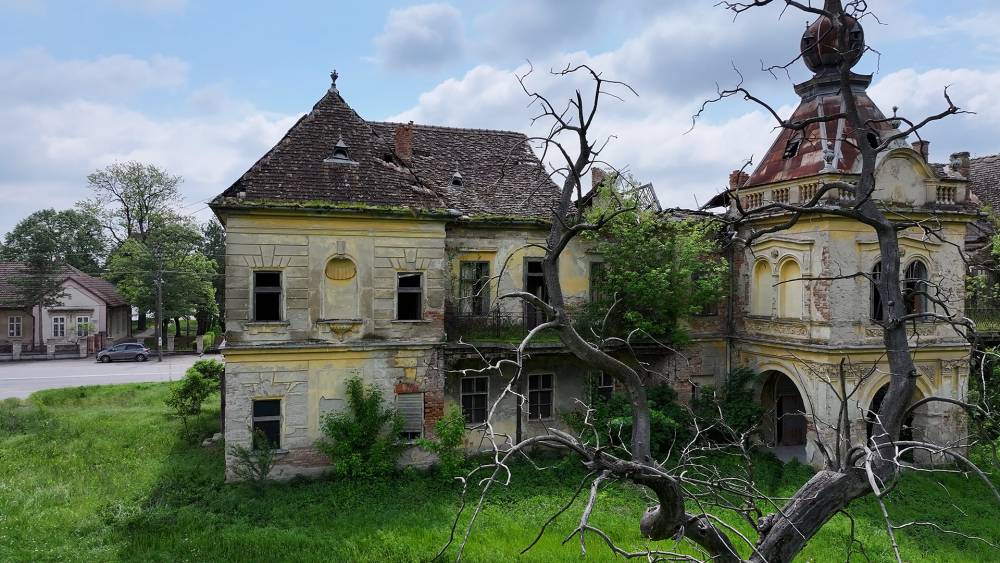
Bisingen Castle is located in Vlajkovac, on the Pančevo–Timișoara international road, in the Vršac municipality, at the very beginning of the village from Pančevo. The grand building, completed in 1859, is an important cultural monument. It was built by Count György Mocsonyi on his estate.
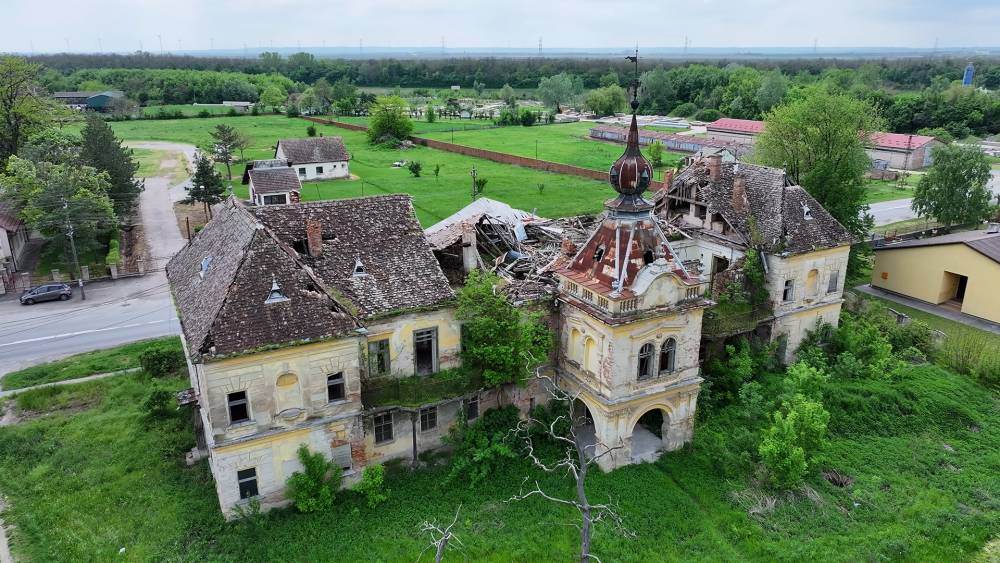
Bisingen Castle is located in Vlajkovac, on the Pančevo–Timișoara international road, in the Vršac municipality, at the very beginning of the village from Pančevo. The grand building, completed in 1859, is an important cultural monument. It was built by Count György Mocsonyi on his estate.
In 1888, Countess Georgina Mocsonyi brought the castle as a dowry into the famous Austro-Hungarian noble family Bissingen-Nippenburg, who owned it until World War II, when the German inhabitants of southern Banat were expelled and the castle was nationalized.
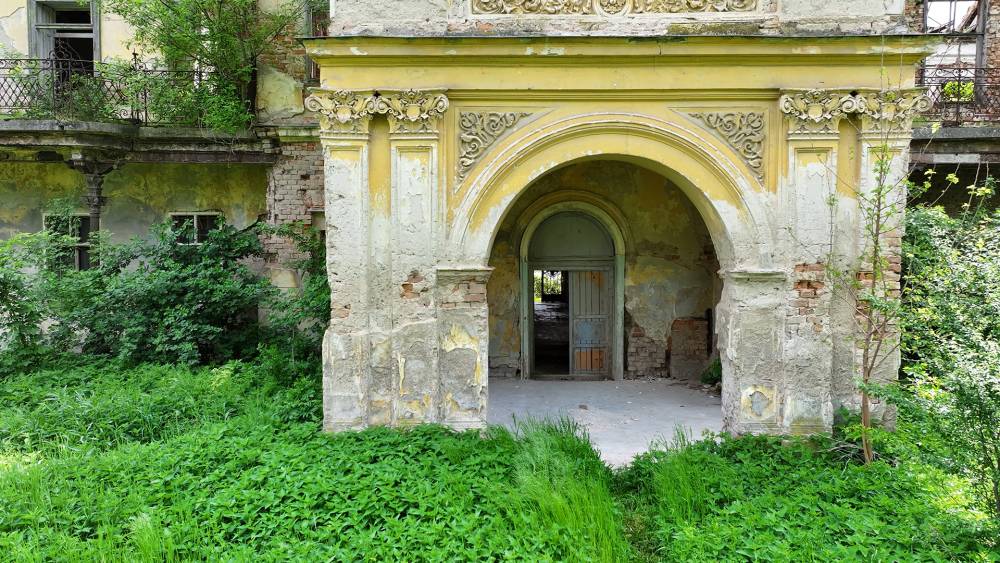
The castle is a free-standing ocher building in the late classical style, with a symmetrical rectangular base. The park-facing facade features a portico with central risalit, terraces supported by iron columns, and side protruding risalits. On the floor above the entrance veranda is a ceremonial hall with a roof cornice, attic, balustrade, and a niche containing the family coat of arms. The pyramidal roof ends with stylized lily, flag, and lightning rod.
The complex formerly included wrought-iron gates, an office house, a family tomb, a chapel, a park with an artificial lake, fountain, sculpture, stream, and bridges. Today the park is overgrown and the castle is deteriorating. Despite its ruinous state, it remains a significant cultural monument. Inside, some parquet and ship-deck floors are preserved, while chandeliers and railings were stolen.
In 2022, the Ministry of Culture began a phase of investigation and technical documentation to prepare for restoration and revaluation. Officially, entry is prohibited, but in practice, it can be visited.